
Dealing with Guilt after Pet Euthanasia
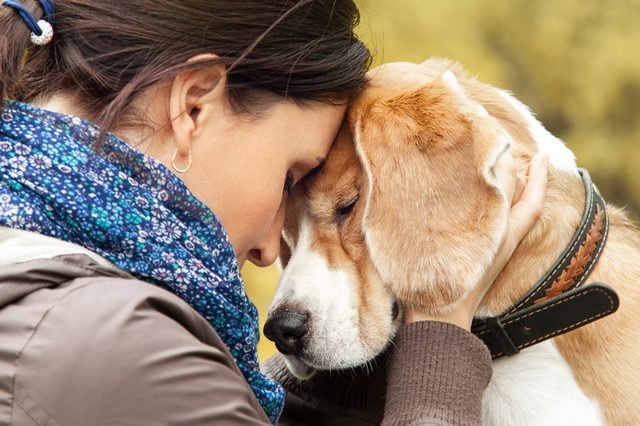
Bidding farewell to a beloved pet is one of the most difficult and heart wrenching decisions pet parents can make. Despite acknowledging that it was, truly, a compassionate choice, it’s natural to experience terrible pangs of guilt and feelings of self-doubt afterwards.
If this sounds achingly familiar, please consider these most common reasons for guilt.
Feeling responsible for your pet’s passing: Even when you do everything you can to give your pet a good life, it’s easy to feel as if you should have done more. By choosing euthanasia, you may feel as if you’ve betrayed them when, in reality, it was a choice you made for them, out of love, when there weren’t any good days left ahead. You weren’t ending their life so much as ending their suffering and granting them peace.
Worrying that it was too soon: Many pet parents fear they acted prematurely and wonder if they should have waited. But the uncertainty comes from a place of love … of wanting to give their pet every possible moment while also wanting to prevent them from suffering. The reality is that even experienced veterinarians can misjudge how much “quality” time pets have left. What often goes unrecognized is how quickly things deteriorate at the end. When guilt makes you question the timing of your decision, you must remember that your pet’s condition wasn’t going to remain the same: it was only going to get worse. Choosing euthanasia wasn’t about taking time away from them, time they never really had. It was about protecting them from the intensified suffering ahead.
Regretting things left undone: You may think, “I wish we had taken one more walk” or “If only we had played more games.” The list of regrets can be both long and self-defeating. Some pet parents also regret spending hundreds or even thousands of dollars on tests and treatments in an effort to extend their pet’s life … with the same outcome: euthanasia. Those final moments can’t be measured either by medical interventions or the amount of money spent. Those final moments were defined by the mutual love you and your pet shared … your unbreakable bond and quiet connection … the warmth of your touch against their skin … the comfort your precious pet derived from your being by their side. Rather than focusing on what you didn’t do, concentrate on all that you did do.
According to grief experts, guilt tries to “convince” pet parents that if they hadn’t made this difficult decision, they wouldn’t be hurting now. But that’s not true. Grief isn’t a punishment for doing something wrong. It’s the price they pay for loving so deeply. And that love didn’t end when their pets passed: it’s still there and will remain so -- in their hearts, in their thoughts and in their memories.
If guilt is weighing heavily on your heart after saying goodbye to your pet, speak with someone who understands. Keeping guilt bottled up makes it harder to move forward. Talking about your feelings can help. Consider confiding in a family member or trusted friend who understands the loss of a pet – especially yours. Speak with your veterinarian who can reassure you that euthanasia was not only the right choice but the only choice. Join a local pet loss support group either in person or online. Connecting with others who have traveled or are currently traveling this same journey can offer you comfort and help you to heal. Speak regularly with a grief counselor who specializes in pet loss. And above all else, be gentle with yourself. Allow yourself to grieve without judgment. Your grief is a reflection of the intense love you shared with your pet, and it’s both normal and natural to feel it fully.