
When Euthanasia is the Only Humane Option
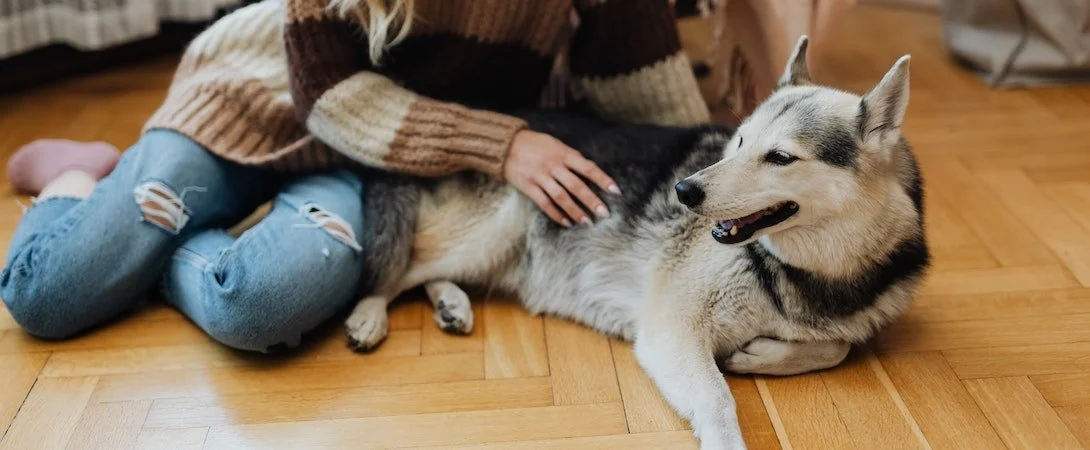
Unfortunately, huskies’ lives are shorter than people’s lives. When illness, injury or old age causes untreatable pain that affects their quality of life, you, as loving pet parents, must start thinking about saying goodbye to them.
Putting your husky to sleep is sometimes the only way to ease his pain and suffering. As heartbreaking as that decision is either for you alone or for you and your family, it’s one that grants your cherished canine companion a peaceful death. Euthanasia is derived from the Greek words eu (“good”) and thanatos (“death”) which literally means “a good death.” In ancient times, the term referred to a peaceful or painless death brought about with dignity.
Veterinarians are the primary professionals who offer this service. But in order for you to make an informed decision, begin by voicing all of your concerns to your vet. Then ask them to e-mail you a copy of their “Quality of Life Scale” so that you can monitor your husky closely and answer and/or score the questions honestly – ideally over several days for comparison.
Your husky’s quality of life or the success of his current care can also be assessed by using a tool like the following HHHHHMM scale, which evaluates Hurt, Hunger, Hydration, Hygiene, Happiness, Mobility and More good days than bad.
HHHHHMM quality of life scale:
Score (1 – 10: 10 is good) for each criterion listed below:
H: urt: Is your husky’s pain well controlled? Consider panting, trembling or hiding.
H: unger: Is he eating enough and enjoying it? Does he need a modified diet or hand feeding?
H: ydration: Can he drink and stay hydrated?
H: ygiene: Can he maintain his cleanliness? Are accidents happening? Is his skin and coat healthy?
H: appiness: Does he show joy and interest? Is he responsive to things he used to enjoy? Or does he seem depressed, lonely or afraid?
M: obility: Can he move around? Can he get up and lie down comfortably? Is he stumbling or having seizures?
M: ore good days than bad: Is the number of good days consistently higher than bad days? If bad days are outnumbering good days and aren’t expected to improve, it may be time to consider an assessment for euthanasia.
Other important considerations:
Breathing: Can your husky breathe normally? Breathing difficulties are a critical concern.
Physical and financial ability: Be realistic about your ability to provide your husky with all of the necessary treatments, medications and care he requires now and in the future.
Score the questions above, couple it with the scores from your vet’s “Quality of Life Scale” and then look long, hard, and above all, honestly, at your ailing husky. As much as it pains you, imagine the pain he’s in, and know that in your heart of hearts, your beloved pet is counting on you to honor your mutual love by setting him free.
Once you or you and your family have opted for euthanasia, your vet will assist you with the final decisions and explain the procedure to ensure it’s as peaceful as possible for you and your husky. Although you can choose between having the service at home or at the clinic, in-home services can provide a comforting and familiar environment – both for you and your precious pet.
Ask your vet about the process, the sedative protocol and what to expect during the procedure. Decide on whether you want a home euthanasia or one at the clinic, and ask if a quiet, comfortable room is available. Plan the final moments: think about what will comfort both you and your husky most. This could include having him on your lap, playing soft music or reading a poem. Choose those you want present for the procedure and for saying goodbye. If you’re going to the clinic, bring your husky’s favorite blanket, bed or toy to provide him with a sense of security. Decide whether you want a private cremation (to get his ashes back) or a communal cremation. Burial options may also be available, depending on local laws. Last but not least … choose how, at this moment in time, you want to remember your pet. The two most popular choices, and forever keepsakes, are a lock of fur (typically enclosed in a tiny, see-through tin case) and a round, polymer clay cast of his paw print.