
Dealing with Difficult Dates
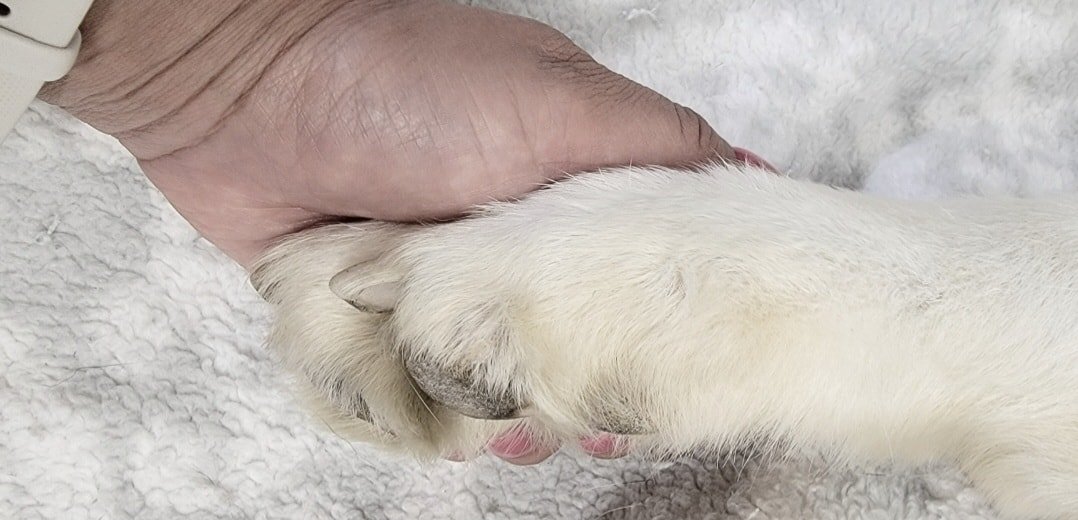
The first year after a dog dies is marked by several challenging dates and milestones as you navigate life without your cherished companion. These dates can trigger fresh, intense waves of grief, often referred to as “aftershocks,” which are a normal part of the healing process.
While these difficult times are highly personal, they commonly include:
The anniversary of your dog’s passing: The one-year anniversary is often described as one of the most difficult, as it marks a full cycle of “firsts” without your dog. The days and weeks leading up to it can especially involve reliving their final moments, whether the loss was traumatic and unexpected or pre-planned through compassionate euthanasia.
The anniversary of when you got them: The date you first brought your dog home or adopted them can be particularly painful as you recall the sweet and auspicious start of your life together.
Your dog’s birthday: This date, once a joyful celebration, becomes a poignant reminder of your dog’s absence because of the profound, unique and loving bond you shared.
Your birthday: Significant personal milestones that you always shared with your dog can elicit a supremely strong sense of loss, dimming your celebratory spirit either partially or completely.
Holidays and family events: Festive annual holidays and assorted family events can feel incomplete without your dog there as a beloved member of the family.
Vacations or trips to favorite places you used to visit together: It’s understandable if, during this year of “firsts,” you’ve chosen a different vacation spot and stayed away from those special, shared places.
Everyday Triggers:
Beyond specific dates, everyday routines and sensory experiences can unexpectedly trigger waves of intense grief.
Daily routines: Waking up in the morning and not having your dog there – either on your bed beside you or in a dog bed on the floor nearby.
The times you fed your dog, went for walks, and played together. The times you came home to their joyful greetings, those happy sounds forever stilled.
Sights and sounds: A certain song, a specific smell, a place you used to visit (like a dog park), seeing another dog that resembles yours or even a Facebook memory popping up in your timeline.
Coping Strategies:
Since, as you already know from when you first lost your precious pet, grief is non-linear. It has no fixed timetable, follows no strict timeline or set of stages. It’s therefore important to be patient with yourself and allow the process to continue unfolding naturally, albeit painfully.
Acknowledge your re-awakened emotions: Allow yourself to feel the renewed sadness and loneliness without shame, and don’t let anyone minimize your pain by saying, “It was just a dog.” Your love was real and the renewed pain of your dearest dog’s absence is a direct reflection of that love.
Seek support: Talk to friends and family who remain sympathetic to your loss or reach out to others through online groups or organizations like the Association for Pet Loss and Bereavement. For immediate help, consider these national hotlines: the ASPCA Pet Loss Hotline (1-877-474-3310), Cornell University Pet Loss Support Hotline (1-607-218-7457) and Pet Compassion Careline (1-855-245-8214).
Honor Your Dog’s Memory:
On this difficult day, consider engaging in activities that acknowledge your dog’s unique life and the special love you shared.
Create a ritual or memorial: There are various ways to do so, depending on whether you live in an apartment or a house. Set aside a “sacred space” from the rest of your home, meant as a permanent memorial to your dog that includes their collar, some favorite toys and a group of your favorite framed photos. Light a candle in front of this poignant collection, place a vase of flowers at its base, or if you have a garden, plant a small tree or some flowers there.
Create a memory box instead: Collect all of the items that meant the most to your dog and place them inside a specially designed box. Spend some time in gentle reflection and smile, yes, smile, as you recall the significance of each of these treasured items. Then close the box and store it in a safe space ... to be taken out again next year.
Talk about your dog, frankly and fully, with the people you trust most, who not only understood the bond between you and your dog but have been especially supportive of you this last year. Encourage them to share their own favorite memories of your dog.
Compile or add to an existing photo album or scrapbook of your time together, including, e.g., any greeting cards you bought to celebrate each of the first holidays they missed, their birthday, etc.
Visit your dog’s grave: If your cherished canine companion was laid to rest in a pet cemetery, place some flowers on their marker, together with some of their favorite treats or a favorite toy, and reminisce “together” about all of the loving moments you shared for so long.
Have glass art made: If your dog was cremated, use their ashes to create a memorial keepsake. (Ashes can be mixed into a melted glass and then cooled to form a variety of keepsakes). One option is turning them into a suncatcher to hang in a window as a constant and shimmering reminder of your precious pet.
Give back:
Honor your dog’s life by making a donation in their name to us at https://www.huskyhavenfl.org/donations
Volunteer for us. Please visit: https://www.huskyhavenfl.org/volunteer
When ready, adopt another dog: Never meant as a replacement for the one you lost, a new dog means that your heart is open to loving – and being loved – again. It also allows one of our dear and deserving dogs to find a forever home. Please visit: https://www.huskyhavenfl.org/adopt